Water Damage Restoration Cost in NYC ($1,700–$10,000)
Jan 5, 2026

The tricky thing about water damage cost in NYC is how unpredictable it feels from the outside. One property gets a bill for a few thousand dollars, another lands in five-figure territory, and both looked similar at first glance.
The gap isn’t random – it comes down to contamination level, square footage, materials, access, and how long moisture had to move.
We’ll break down every major factor behind water damage restoration cost in New York so the numbers make sense.
Key Notes
NYC water restoration typically ranges from $1,700 to $10,000 depending on scope.
Contamination level drives per-square-foot cost from $4.00 to $8.50+.
Mitigation and rebuild are separate costs, with reconstruction forming 50–70% of totals.
Water Damage Restoration Cost Overview
Nationally, broad data shows most water damage restoration projects land between about $450 and $16,000, with an average near $3,800 to $4,000.
NYC sits higher. Typical residential projects in the city often fall in the $1,700 to $10,000 band, with many standard apartment jobs around $4,000 to $6,000.
Small, clean water incidents can come in under $1,500. Severe or sewage-contaminated events can easily push past $10,000 and into multi-unit territory.
Water Damage Restoration Cost per Square Foot
Water category sets the playbook.
Category 1 is clean water from a sanitary source.
Category 2 is gray water with moderate contamination.
Category 3 is black water with significant contamination, often sewage or floodwater.
As contamination rises, you remove more material, install more containment, use stronger disinfectants, and document more thoroughly. Those steps increase labor hours and disposal costs.
Typical NYC per square foot bands:
Category 1 (clean water): $4.00 to $5.50
Category 2 (gray water): $5.00 to $7.00
Category 3 (black water): $7.00 to $8.50
Cost by Job Size & Severity
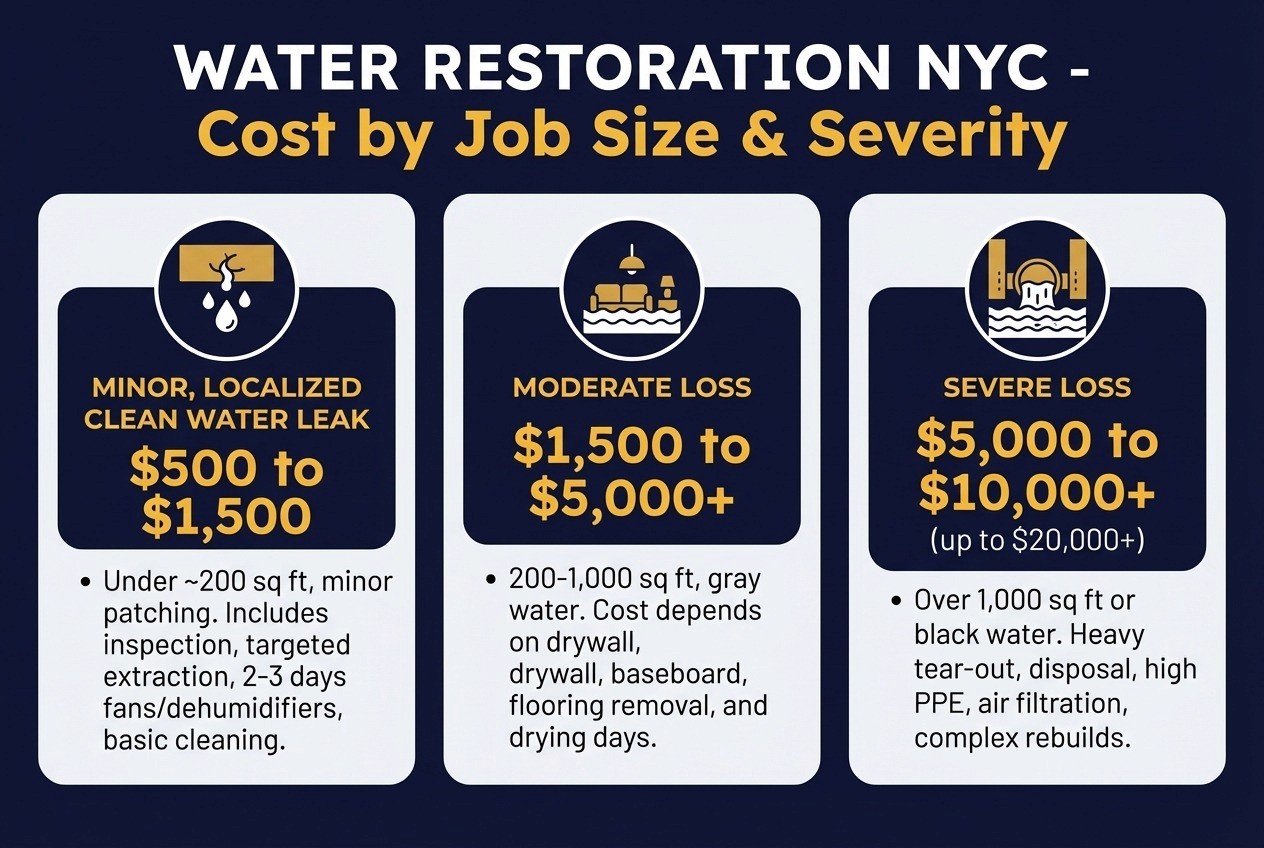
Minor, Localized Clean Water Leak
Under roughly 200 sq ft, no material replacement beyond minor patching, typically $500 to $1,500. Scope often includes inspection, targeted extraction, 2 to 3 days of fans and dehumidifiers, and basic cleaning.
Moderate Loss
200 to 1,000 sq ft, often gray water from an appliance discharge or a line with detergents.
Typical range runs $1,500 to $5,000+ depending on how much drywall, baseboard, and flooring must be removed, and how many days of drying and sanitizing are required.
Severe Loss
Over 1,000 sq ft and or black water affecting multiple rooms. Common range from $5,000 to $10,000+, and in multi-unit or long-neglected cases, totals can reach $20,000+.
These projects involve heavy tear-out, controlled disposal, higher PPE requirements, frequent air filtration devices, and more complex rebuilds.
Mitigation vs Restoration: Two Budgets, One Project
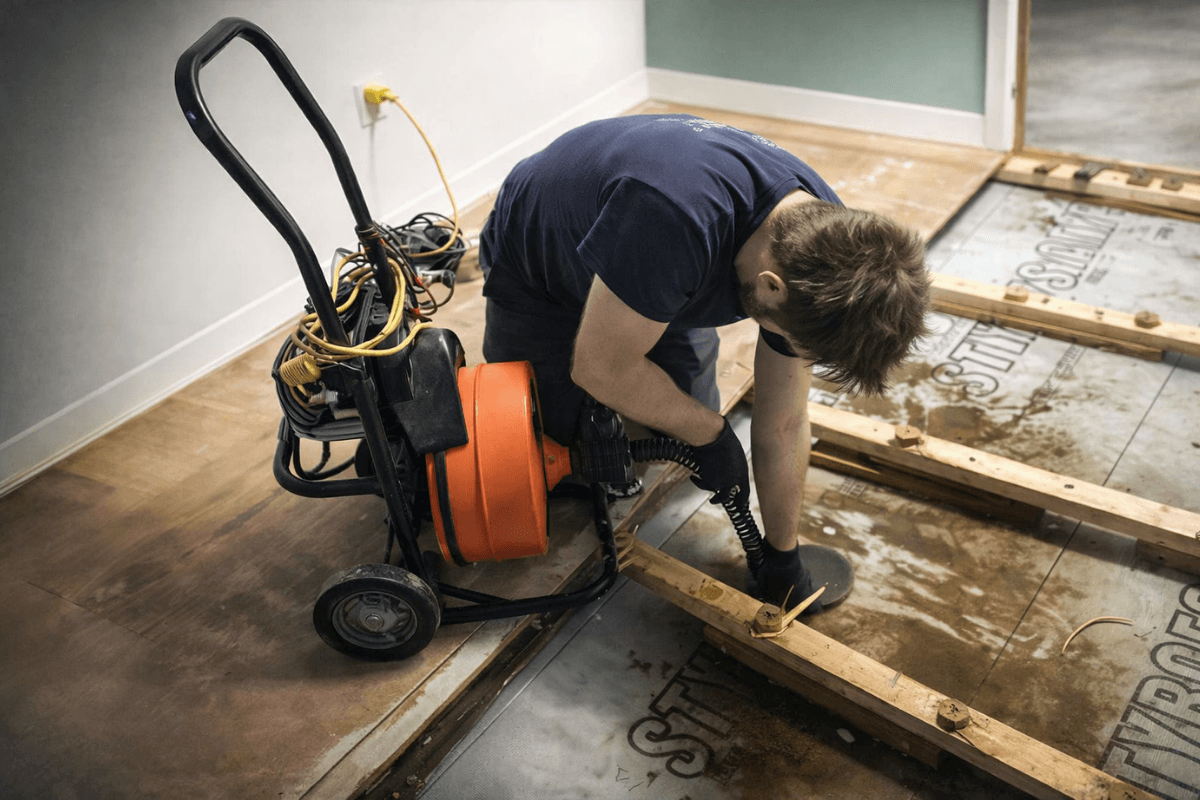
Mitigation is the emergency phase. Stop the water, extract what is there, stabilize the environment, and prevent mold.
Restoration is the rebuild. Put the space back to pre-loss condition or better, if the owner elects upgrades.
Typical NYC ranges for mitigation on moderate residential losses: $1,000 to $5,000 depending on extraction volume, equipment counts, and contamination.
Restoration or rebuild commonly runs $1,500 to $10,000+ because skilled trades, materials, and finish matching take time. In many NYC apartment jobs, rebuild makes up 50–70% of the total budget because flooring, walls, and finishes need to be replaced, not just dried.
A clean estimate separates these phases so you can track what insurance covers for mitigation versus what is needed for reconstruction and finish selections.
Line-Item Cost Breakdown for a Typical NYC Apartment Job
For a moderate loss in a 400 to 600 sq ft living area with gray water from a burst pipe, a concept-level breakdown could look like this:
Initial Inspection & Moisture Mapping: $200 to $600. This includes thermal imaging, meter readings, and a written scope so every decision ties back to data.
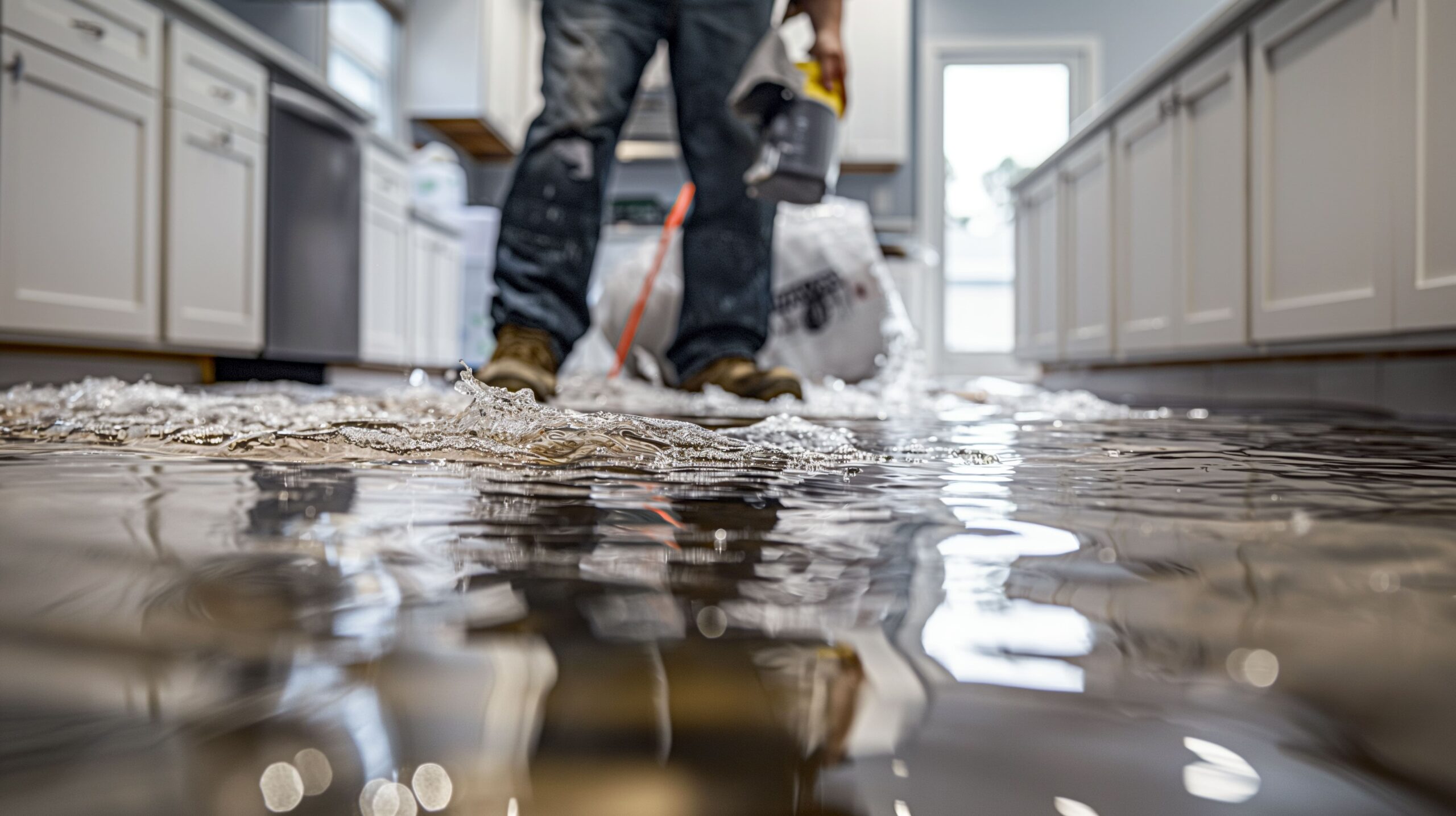
Water Extraction: $1,000 to $3,000. The volume and how quickly crews arrive drives this number. More standing water means more equipment and time.
Drying and Dehumidification: $800 to $3,500. Equipment typically sits 3 to 7 days. Class 3 or 4 jobs skew longer.
Cleaning and Disinfection: $500 to $2,500. Gray water requires elevated protocols and chemicals. Black water increases PPE, containment, and disposal.
Odor Control and HEPA Air Filtration: Often bundled within cleaning on contaminated jobs, otherwise a few hundred dollars when needed.
Debris Removal and Protection of Common Areas: Included in most NYC scopes and reflected in labor hours and disposal fees.
Add structural repairs after mitigation, and you have the full restoration budget.
On moderate jobs, the combined total often lands in the $1,700 to $10,000 band for residential NYC projects, with many standard cases around $4,000 to $6,000.
Looking For A True Cost Based On Your Case?
Get on-site guidance before expenses climb.
Post-Mitigation Repair and Reconstruction Costs
Rebuild is where the quiet costs add up. Matching finishes, coordinating multiple trades, and working within co-op or condo schedules introduces constraints you will not see in a single-family house.
Typical NYC ranges for common components:
Drywall Removal and Replacement: $300 to $850 for localized areas, higher when entire walls or ceilings are affected.
Insulation and Subfloor Repairs: $500 to $3,000 depending on depth and access.
Flooring: $1,000 to $5,000 for carpet, vinyl, or engineered wood in moderate areas. Site-finished hardwood or stone can exceed that.
Trim and Paint: $500 to $2,500 when you include prep, color matching, and multiple coats.
Cabinetry and Built-Ins: Highly variable. Salvage and reinstallation cost less than replacement, but waterlogged boxes or delaminated veneers usually require new units.
Expect rebuild to account for most of the total when materials are saturated beyond salvage. Upgrading from like-kind to premium finishes is the owner’s choice and cost, not the insurer’s, in most policies.
Commercial vs Residential Pricing in NYC
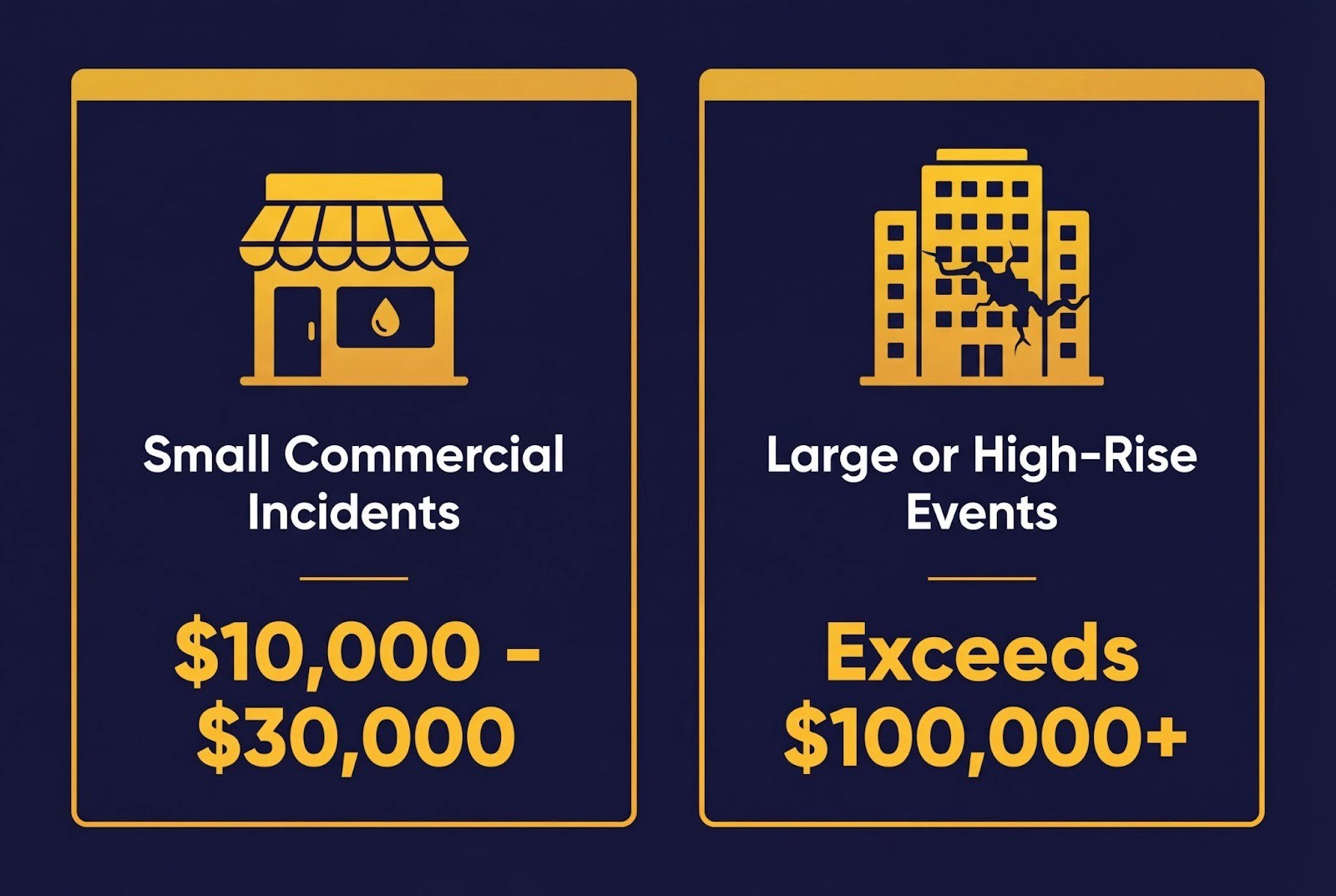
Commercial projects often start where residential leaves off. Smaller commercial incidents frequently come in around $10,000 to $30,000, and large or high-rise events can exceed $100,000 when many floors or tenant spaces are involved.
Why The Spread?
Scale and complexity. More square footage, more stories, and more systems to check. Think risers, IDF rooms, and mechanical spaces.
Finishes and equipment. Specialty flooring, built-ins, and sensitive electronics demand careful protection, drying, or replacement.
Scheduling and documentation. Night work around business hours and more rigorous reporting for insurers and regulators add time.
Business interruption pressures. Speed costs money. Bigger crews, extended hours, and parallel trades raise labor totals but shorten downtime.
Mold Risk, Remediation Scope & Added Cost
Water that sits for more than 24 to 48 hours is a mold risk. Once spores colonize, remediation becomes its own scope with containment, negative air, HEPA filtration, selective demolition, and detailed cleaning.
In NYC residential projects tied to a water loss, mold remediation commonly lands in the $1,500 to $4,000 band, but can range from $1,000 to $7,000+ as areas grow.
Mold is not just a line item. It changes the timeline, documentation, and rebuild plan.
Insurance, Deductibles & Coverage Gaps
What’s Typically Covered?
Most homeowners and landlord policies cover sudden and accidental water damage: pipe bursts, appliance failures, supply-line leaks.
You’re responsible for the deductible, which usually falls between $1,000 and $5,000.
What’s Not Covered?
Some categories fall outside standard policies:
Gradual or long-term leaks
Maintenance issues or neglect
External flood events (requires NFIP)
Sewage backups without a specific endorsement
Upgrades beyond like-kind replacement also land on the owner.
Why Documentation Matters
Adjusters want proof – photos, moisture logs, daily readings, and equipment records. Clear documentation ties every action to data, speeds approvals, and protects scope.
Your Out-of-Pocket Formula
If coverage is partial, expect to pay your deductible + any excluded items + any voluntary upgrades (materials, finishes, or improvements beyond what the policy replaces).
Cost Control Without Cutting Corners
Move Fast On First Actions
Shut off the source. Photograph everything. Pull up area rugs and elevate furniture legs on foil or wood blocks to reduce staining.
If safe, start airflow with the HVAC fan or a portable fan to prevent humid air pockets.
Prep Access
In apartments, clear the path to the wet areas, reserve the elevator if your building requires it, and notify the super so common-area protection can be set quickly.
These simple steps reduce nonproductive time and keep the crew focused on scope.
Be Strategic On Finishes
Like-kind materials control costs. Swapping vinyl for hardwood or basic for custom trim expands the rebuild budget.
If you plan an upgrade, do it knowingly and outside of the insurance portion of the estimate.
Avoid After-Hours When Possible
If your building allows it, daytime work saves premiums. When business operations or quiet hours make that impossible, concentrate tasks to minimize the number of nights needed.
Pack-Outs Protect Value
Contents that are wet or blocking access slow everything down. A small, early pack-out can prevent secondary damage and shorten the job.
Frequently Asked Questions
How long does it take to get a water damage estimate in NYC?
Most reputable companies can provide an estimate within a few hours of your call, especially for active leaks. For multi-room or high-rise jobs, a full moisture map may take a little longer, but same-day assessments are standard.
Do I need to leave my apartment during water damage restoration?
Usually no. Mitigation equipment can be loud and warm, but most tenants can stay in place unless there’s contamination (Category 3), heavy demolition, or mold remediation requiring containment.
Can water damage return after restoration?
It shouldn’t. Recurring issues typically point to unresolved plumbing problems, hidden moisture that wasn’t fully addressed, or a structural issue. A proper dry-out with documented readings prevents repeat damage.
Is it cheaper to handle small water damage myself?
Possibly for a tiny, clean-water spill caught immediately. But without moisture meters and proper drying, hidden dampness can turn into mold or structural damage that costs far more to fix later.
Conclusion
Water damage isn’t expensive because restoration companies want it to be. It’s expensive because time, contamination, and NYC logistics stack the bill fast.
A clean-water leak caught early might sit in the $1,700–$3,000 range. A gray-water loss spreads that to $4,000–$6,000. And once you hit black water, multi-room saturation, or mold creeping in after 48 hours, the cost of water damage restoration can move past $10,000 with ease.
Here’s the rule of thumb: the more water touches and the longer it sits, the more the price climbs.
If you're trying to get a clear number for your space, a fast assessment is the only reliable way to avoid guesswork. We can map the damage, confirm what’s salvageable, and give you a line-item estimate you can plan around. Get a free quote now.