Flood Damage Repair Cost in NYC ($1,700+)
Jan 5, 2026
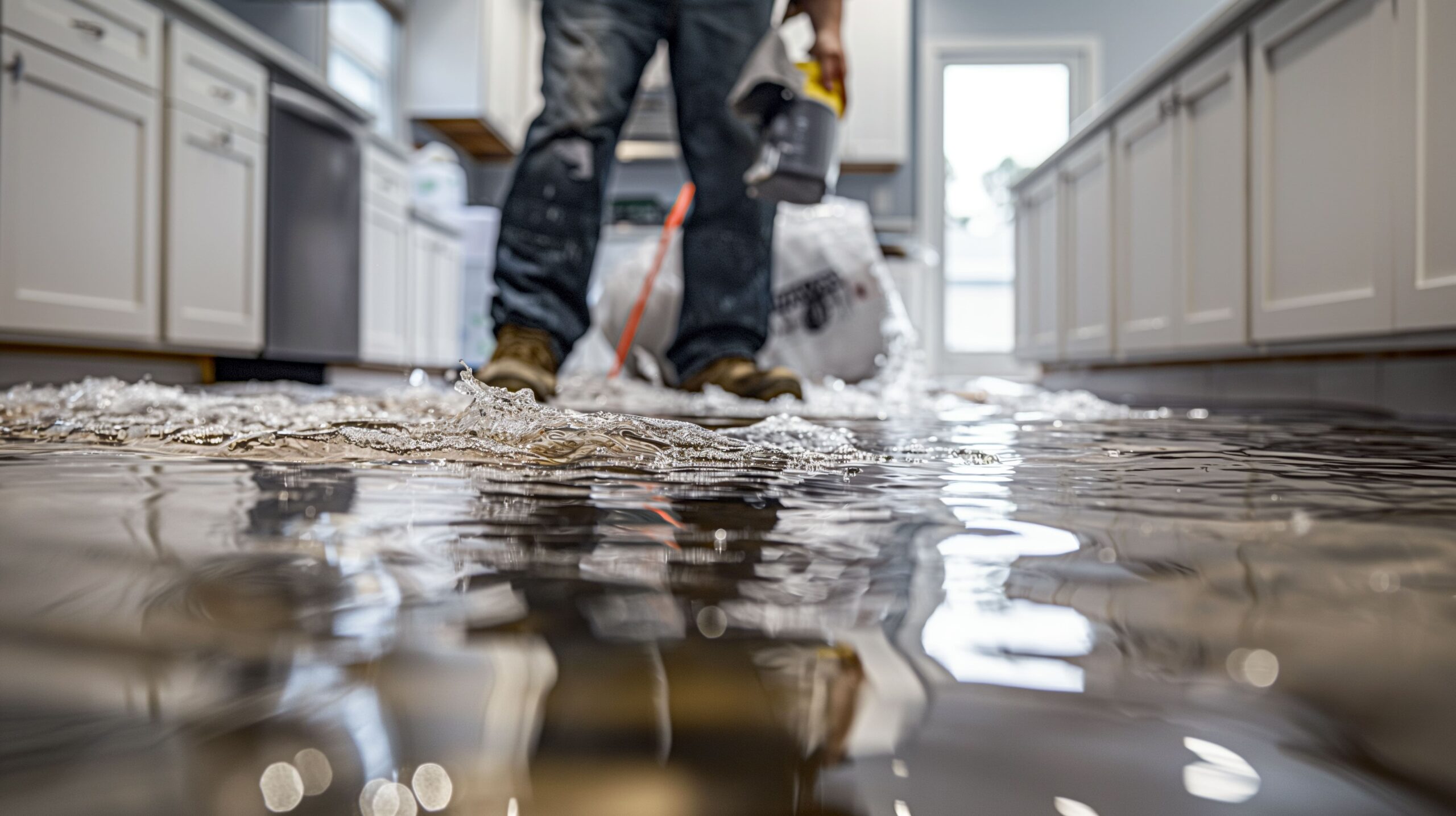
Water damage doesn’t come with a price tag attached. In New York, the same flood can cost wildly different amounts depending on where it hits, how fast it’s handled, and what’s hiding behind the walls.
Online averages rarely survive contact with real buildings, real rules, and real timelines.
If you’re trying to make sense of flood damage repair cost in NYC, we’ll break down what drives the numbers, where costs jump, and how to budget without guessing.
Key Notes
Flood damage repair costs vary by water category, response time, building type, and materials affected.
Per-square-foot pricing applies mainly to mitigation; rebuild costs depend on scope and finishes.
Acting within 24–48 hours can prevent mold, limit demolition, and reduce total repair cost.
What Flood Damage Repair Includes
Many think flood damage repair is one thing. In reality, it is a sequence of phases, each with its own cost drivers.
Flood damage repair typically includes:
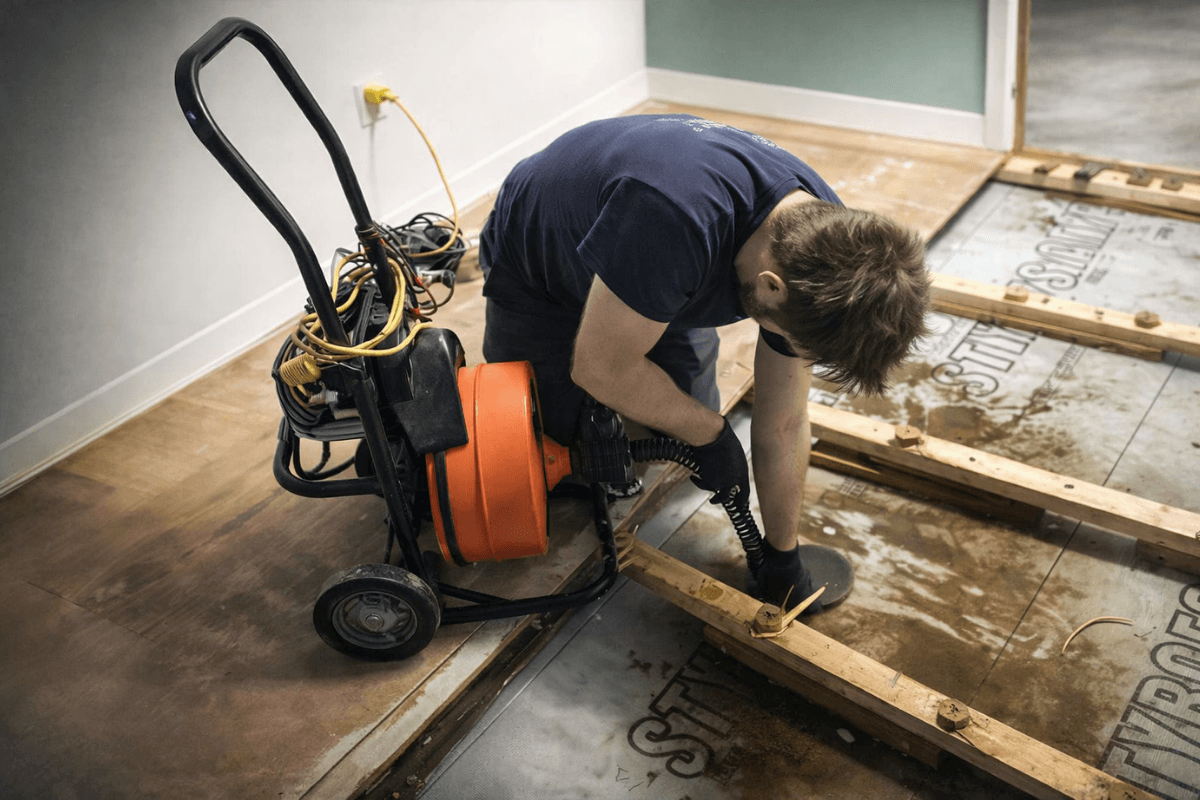
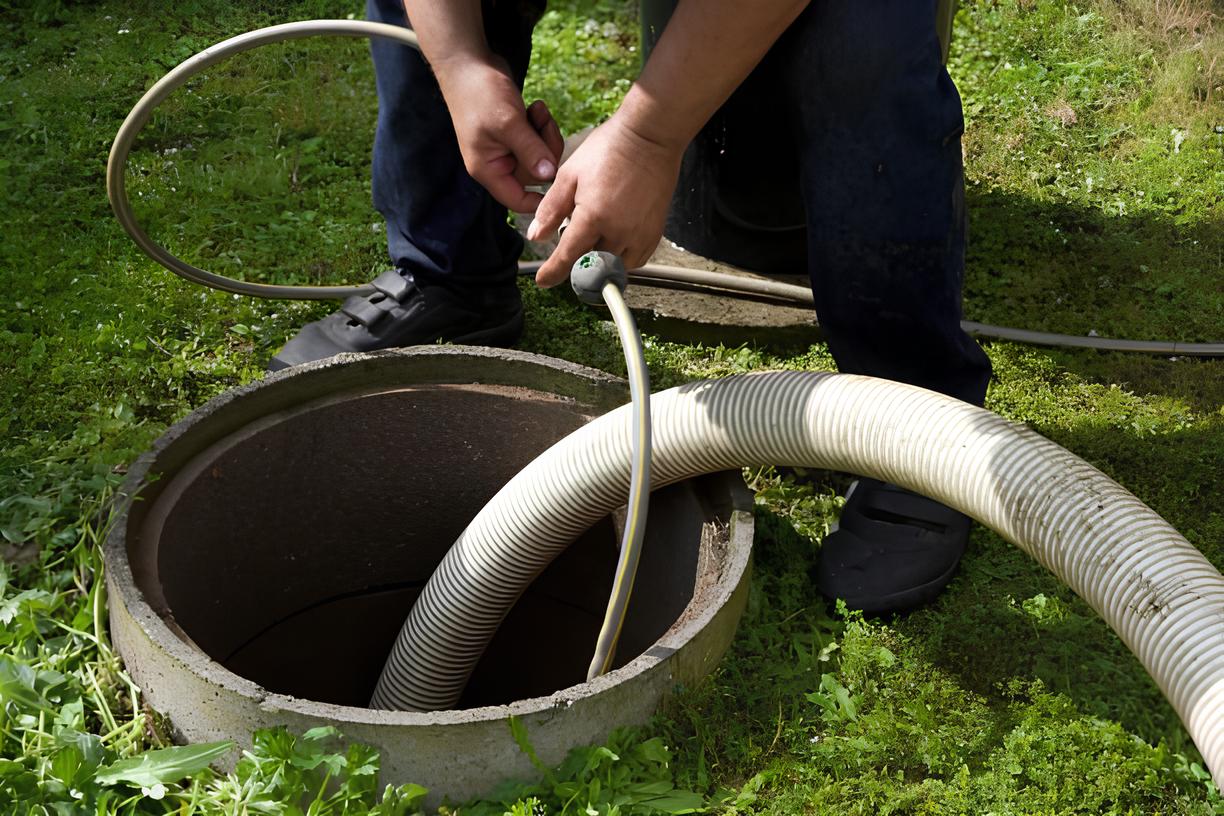
Flood water extraction – removing standing water immediately
Flood damage clean up – drying, sanitizing, and stabilizing the space
Flood remediation – demolition, contamination control, and mold prevention or removal
Rebuild and restoration – structural repairs and finish replacement
Why This Matters:
A clean water supply leak stopped quickly may only require extraction and drying. A sewage backup or exterior flood pushes the job into demolition, disinfection, and longer equipment time – which is where costs climb.
Average Flood Damage Repair Cost in NYC
Typical NYC flood damage repair ranges:
Small, localized damage: $1,700–$5,000
Moderate multi-room damage: $5,000–$15,000
Severe or whole-unit damage: $20,000+
Large commercial spaces: $50,000 into the hundreds of thousands
These numbers are higher than national averages for a reason:
NYC labor and overhead costs
Building access and logistics
After-hours and occupied-building work
Permits, code requirements, and documentation
Even small jobs often exceed national “minor damage” estimates because restoration companies in NYC operate with higher minimums and stricter compliance standards.
Flood Damage Repair Cost Per Square Foot
Per-square-foot pricing is most useful for mitigation and drying, not full rebuilds.
Typical Per-Square-Foot Ranges
Water Category | Common NYC Range |
Clean water (Category 1) | ~$3–$4 per sq ft |
Gray water (Category 2) | ~$4–$6 per sq ft |
Black water (Category 3) | ~$6–$7.50+ per sq ft |
Important nuance: Small NYC jobs are skewed by minimum charges. For example, a 215 sq ft flood cleanup may total $4,700–$5,500, which looks like mid-$20s per square foot once labor, materials, disposal, and equipment minimums are included.
That is not price inflation – it is urban reality.
Once a job involves heavy demolition, structural exposure, or high-end finishes, pricing shifts away from square footage and toward labor hours and systems.
The Biggest Cost Drivers
Category and Type of Water
Clean water can often be dried in place
Gray water requires more cleaning and containment
Black water demands demolition, disinfection, PPE, and regulated disposal
Category jumps alone can add thousands to a project.
Size, Spread & Building Complexity
Single-room incidents are easier to isolate
Multi-room or whole-floor losses multiply drying and labor
High-rises add vertical transport and coordination time
Brownstones introduce tight layouts and historic materials
Time To Response
Speed is money.
Response within 24 hours keeps damage in lower IICRC classes
Delays beyond 48 hours allow mold, delamination, and swelling
Mold remediation alone commonly adds $1,200–$3,800+
Materials & Structural Exposure
Hardwood may be salvageable with fast drying
Carpet and pad rarely survive flooding
Plaster behaves differently than drywall
Subfloors, joists, and framing escalate costs quickly
Flood Damage Repair Cost by Scope
Small, Localized Events
Typical scenario – appliance leak or limited basement water
Targeted extraction and drying
Minor demolition
Patch, paint, or flooring repair
NYC range: $1,700–$5,000
Moderate Multi-Room Damage
Typical scenario – several rooms affected, wet walls and floors
Selective demolition
Multi-day drying and monitoring
Partial rebuild of finishes
NYC range: $5,000–$15,000+
Severe or Whole-Unit Flood Damage
Typical scenario – sewage backup, exterior flooding, or multi-level spread
Widespread demolition and sanitation
Structural drying
Full rebuild of finishes
NYC range: $20,000 and up
Commercial Flood Damage Repair Cost in NYC
Commercial flood restoration is commonly discussed in the $3–$15 per sq ft range.
Typical Commercial Ranges:
Small spaces (under 5,000 sq ft): $5,000–$50,000
Large facilities (15,000+ sq ft): $50,000–$200,000+
Costs Rise Sharply For:
Medical, food service, and server environments
High-end retail and hospitality
Accelerated timelines to reduce downtime
Need A Quote Based On Your Flood Damage Situation?
Same-day inspections, compliant repairs, full documentation.
How To Reduce Flood Repair Costs
Flood damage gets expensive when uncertainty and delay creep in. A few disciplined steps early on can materially change the final number:
Document damage immediately. Take photos and short videos of every affected area before cleanup begins. This protects your claim and prevents disputes about scope later.
Loop in insurance early. Early notice aligns documentation and avoids rework or uncovered repairs that come out of pocket.
Limit DIY to safe basics. Removing standing water is fine. Tearing into walls without moisture mapping often creates hidden problems that cost more to fix later.
Prioritize speed over the cheapest bid. In NYC, every day of delay increases drying time, labor, and mold risk. The lowest price is rarely the lowest total cost.
Put simply, hesitation is the most expensive decision after a flood.
Prevention That Pays Off
Once a space has flooded, prevention stops the next incident from becoming another full rebuild.
Elevate critical systems. Raising boilers, panels, and mechanicals above known flood levels reduces future repair scope dramatically.
Add active drainage protection. Sump pumps with battery or water-powered backups keep basements dry even during outages.
Upgrade vulnerable finishes. Water-resistant materials in lower levels limit damage and shorten cleanup after future events.
Use available incentives. NYC DEP programs and New York State resilience loans can offset the cost of flood mitigation work.
Effective prevention turns future flooding into a cleanup event instead of a structural repair project.
Frequently Asked Questions
Does flood damage repair increase property value in NYC?
Flood repairs themselves do not increase value, but proper remediation and documented restoration protect resale and refinancing. In flood-prone areas, upgrades like drainage or waterproofing can improve buyer confidence and reduce future risk.
Can I stay in my apartment during flood damage repairs?
Sometimes, yes. Small clean-water events may allow occupancy with contained drying. Larger floods, sewage backups, or heavy demolition usually require temporary relocation for safety and air quality reasons.
How long does flood damage repair usually take in NYC?
Minor flood cleanup may take 3 to 7 days. Multi-room or contaminated events often run 2 to 6 weeks once drying, inspections, approvals, and rebuild work are factored in.
Are emergency flood restoration costs higher at night or on weekends?
Often, yes. After-hours response can carry premium labor rates, but delaying extraction usually costs more overall due to added damage, mold risk, and extended drying time.
Conclusion
In NYC, flood damage repair cost is driven by factors most people never see upfront: the category of water, how fast drying starts, what materials were affected, and how your building works.
Per-square-foot numbers help at the mitigation stage, but real budgets are shaped by response time, demolition needs, mold risk, access constraints, and finish quality. Act early and many losses stay contained. Wait, and a basic cleanup turns into remediation, rebuilds, and weeks of disruption.
Knowing the phases, the cost ranges, and the pressure points is what keeps control on your side.
If you want a quote based on your space, your building, and your situation, request a free assessment. A fast, documented on-site review is the quickest way to get real numbers, limit damage, and avoid costs that do not need to happen.